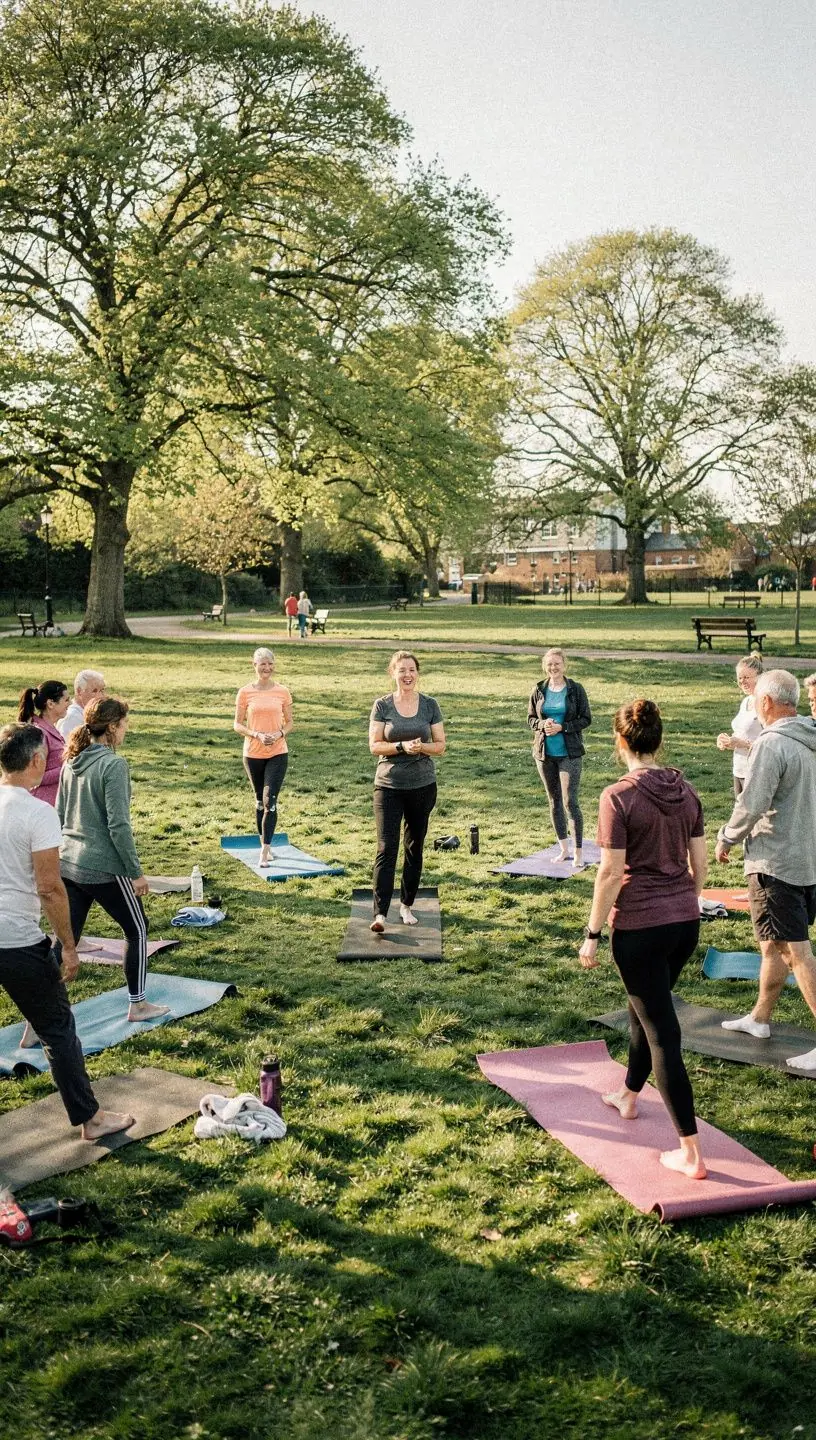
Understanding the Benefits of Community Engagement
Community engagement is an essential aspect of building a fulfilling life, especially for individuals aged 40 to 60. In this article, we will explore the benefits of community involvement, supported by research and expert recommendations, while setting realistic expectations for how and why engaging with local communities can enhance your overall well-being.
Understanding the Basics of Community Engagement
Community engagement refers to the process of working collaboratively with community members to address issues affecting their well-being. According to studies published in community development journals, fostering community ties can significantly improve individuals' mental health and social well-being.

"Research indicates that individuals who actively engage with their communities report higher levels of happiness and life satisfaction."
The Psychological Benefits
Community engagement can often lead to various psychological benefits. Experts recommend participating in local events, clubs, or social groups as a means to combat feelings of loneliness and isolation. Many users report that these activities provide a sense of belonging and purpose, which are vital for mental health.
How It Helps
- Increased Connectiveness: Engaging with others fosters deeper relationships, which can significantly reduce feelings of alienation.
- Enhanced Emotional Support: Studies show that social networks often provide emotional and practical support, leading to better coping strategies during stressful times.
- Sense of Purpose: Many individuals find that contributing to their community helps them discover new passions and abilities, enhancing their life satisfaction.
Practical Application of Community Engagement
To reap the benefits of community involvement, consider these actionable steps:
- Identify Local Opportunities: Research local events, clubs, and volunteer opportunities that align with your interests. Websites and community boards often list various options, making it easier to find the right fit.
- Commit Time Regularly: Engaging in community activities typically requires a commitment of time and effort. Setting aside a few hours each week can lead to meaningful connections.
- Focus on Genuine Interactions: Engaging authentically with community members helps build trust and fosters deeper relationships, which is essential for effective community building.
Acknowledging Limitations
While community engagement can be beneficial, it is essential to acknowledge that:
- Not all community groups may be suitable for everyone; it might take some time to find the right fit.
- Engagement often requires an initial investment of time and effort, which can be challenging for those with busy schedules.
- The benefits may not be immediate; results typically manifest over months of consistent interaction and involvement.
Conclusion
Engaging with your community can significantly enhance your quality of life, offering psychological and emotional benefits that contribute to overall well-being. While it may require a commitment of time and effort, the potential rewards—ranging from new friendships to a heightened sense of purpose—are worth pursuing. By approaching community involvement with an open mind and realistic expectations, you set yourself on a path toward a richer, more fulfilling life.