A Guide to Starting a Music Appreciation Group
Starting a music appreciation group can be a fulfilling way to connect with like-minded individuals, deepen your understanding of various music genres, and foster a sense of community. This guide outlines the essential steps and considerations for creating a successful music appreciation group.
Understanding the Purpose
The primary goal of a music appreciation group is to explore, discuss, and enjoy music in various forms. According to research from the American Psychological Association, engaging with music can enhance cognitive abilities and social connections, making it an ideal activity for individuals aged 40-60 seeking to enrich their lives.
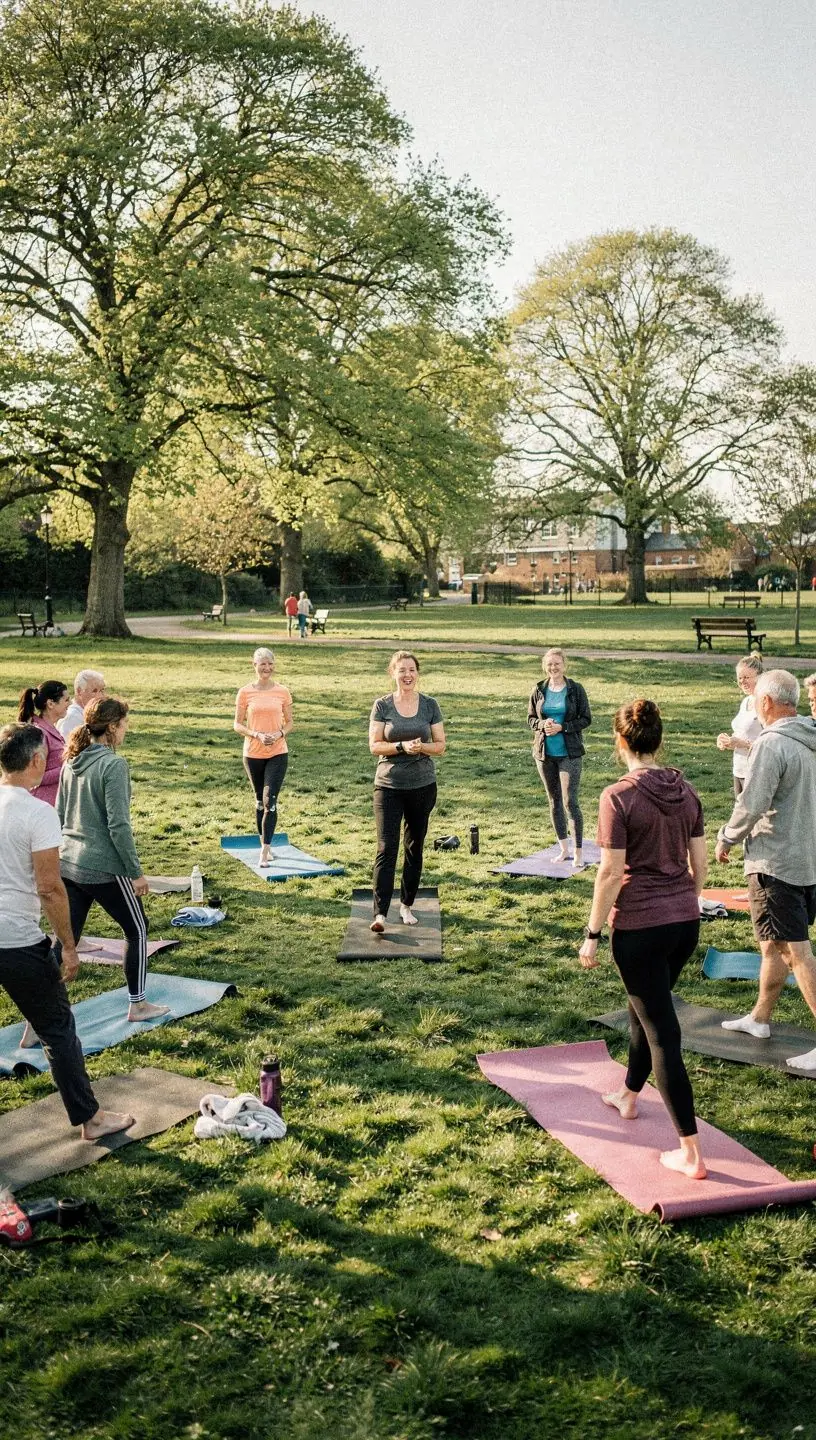
"Participating in group activities, such as music appreciation, can lead to improved mental health and greater overall happiness." - Experts in social psychology.
Steps to Establish Your Group
- Define Your Group's Focus: Decide whether your group will explore specific genres, eras, or forms of music. Many successful groups typically concentrate on a particular theme, such as classical music, jazz, or contemporary artists.
- Determine Your Structure: Consider how often your group will meet. Many users report that monthly meetings allow for adequate preparation and participation without overwhelming members' schedules.
- Choose a Suitable Venue: Select a comfortable location that fosters discussion. This could be a community centre, a local café, or even a member's home. Ensure the space accommodates your expected group size and has the necessary audio equipment to play music.
Engaging Members in Discussions
Effective discussions are crucial for a successful music appreciation group. Here are some strategies to facilitate engaging conversations:
- Encourage Participation: Ask open-ended questions to stimulate dialogue. For instance, instead of asking, "Did you like that song?" consider, "What emotions did that piece evoke for you?" This approach often leads to deeper insights.
- Utilize Resources: Incorporate articles, documentaries, or guest speakers into your discussions. According to industry experts, offering diverse resources can enhance members' understanding and appreciation of music.
- Foster a Respectful Environment: Establish ground rules for discussions to ensure everyone feels comfortable sharing their opinions. It’s important to emphasize that there are no right or wrong answers when it comes to personal musical tastes.
Challenges and Considerations
Starting a music appreciation group may involve some challenges:
- Time Commitment: Organizing and facilitating a group requires planning and dedication. Typically, it takes several weeks to establish a rhythm and engage members effectively.
- Member Engagement: Maintaining consistent attendance can be challenging. Groups often thrive when there is a clear agenda and when members feel their contributions are valued.
- Adaptability: Be prepared to adjust your approach based on feedback. What works well in one session may not resonate in another. Adaptability is essential for long-term success.
Conclusion
Starting a music appreciation group can be a rewarding endeavor that fosters connection and enriches participants' understanding of music. By following the outlined steps and remaining flexible to adapt as needed, you can create a vibrant community. Remember, while the path to establishing your group may have its challenges, the benefits of shared musical experiences can lead to lasting friendships and enhanced enjoyment of music.
Discover More